Weight bias refers to the stereotypes and discrimination faced by individuals based on their body weight. This article will explore the causes and consequences of weight bias, its impact on individuals and society, and provide actionable strategies to address and reduce it effectively.
What is Weight Bias?
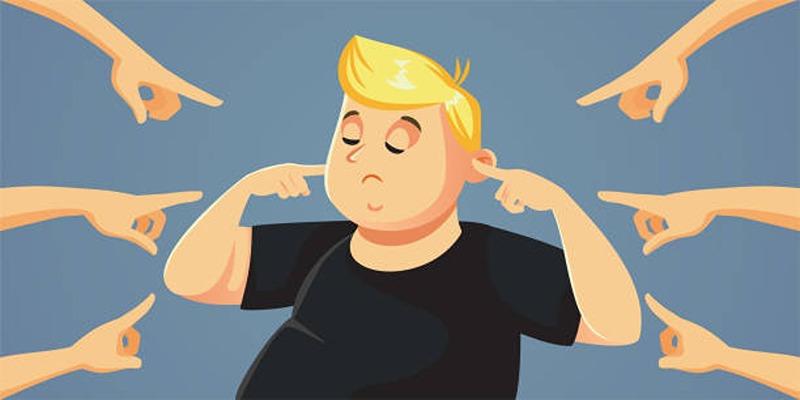
Weight bias is prejudgmental attitudes, beliefs, or behaviors against individuals on the basis of their size or weight. It usually occurs in the form of negative stereotypes, for instance, beliefs that individuals with larger bodies are lazy, sick, or do not have willpower. These biases may be explicit, openly expressed, and implicit, being subconscious judgments that guide decision-making.
Impact on Individual and Society
Weight bias affects people on both an individual and a system level. On an individual level, it results in emotional distress, poor self-esteem, and mental illnesses like depression or anxiety.
At the societal level, weight bias is implicated in inequalities in employment, health care, and education that perpetuate discrimination and stigma. It typically leads to lower exposure to opportunity and resources for targeted individuals, further stigmatizing those affected and maintaining negative stereotypes in the general culture.
Signs and Manifestations of Weight Bias
Weight bias is usually fueled by prevailing stereotypes and myths surrounding those with larger bodies. Prevailing stereotypes include that they are lazy, that they lack self-control, or that they are less able than others.
These erroneous assumptions rule out the multiple causative factors of body weight, including genetics, medical conditions, environmental factors, and socioeconomic status. In addition, such stereotypes do not accept that health and fitness cannot be based on size or shape alone.
How Weight Bias Appears in Everyday Interactions
Weight bias frequently emerges in subtle yet harmful ways in day-to-day interactions. It may take the form of judgmental comments, unsolicited advice about dieting or fitness, or insensitive jokes at the expense of someone’s body size. These interactions, whether intentional or unintentional, can have lasting emotional impacts on individuals subjected to such biases. Even seemingly harmless behaviors, like praising weight loss without context, can reinforce negative attitudes toward larger bodies.
Examples in Media, Workplace, and Healthcare Settings
These biases are perpetuated across various domains, shaping perceptions and influencing behaviors in subtle yet harmful ways. Below are some common scenarios where weight bias may manifest:
Media
Films, television shows, and advertisements frequently depict individuals with larger bodies in limited and often damaging ways. These characters are commonly used as comedic relief, villains, or portrayed as individuals lacking ambition, confidence, or success. Such portrayals reinforce harmful stereotypes and fail to represent the diversity of body types in meaningful or positive roles. Rarely do we see individuals with larger bodies as heroes, leaders, or multidimensional figures with rich, complex stories.
Workplace
Weight discrimination in the workplace can take many forms, such as biased hiring practices, limited opportunities for promotions, or even overtly derogatory comments from colleagues or supervisors. This type of bias can lead to unfair treatment, lower salaries, and reduced job opportunities for those with larger bodies. For many individuals, these experiences can create a work environment where they feel undervalued or judged based on their appearance rather than their skills and contributions.
Healthcare
In healthcare settings, weight bias can have serious and far-reaching consequences. Patients with larger bodies often face judgment or assumptions from medical professionals, leading to their concerns being dismissed as mere weight-related issues. This bias can result in subpar treatment, misdiagnosis, or the failure to address underlying health conditions.
As a result, individuals may feel discouraged from seeking medical care, fearing that their weight will overshadow their actual health concerns. This avoidance of healthcare can lead to delayed diagnoses, worsening medical conditions, and poorer overall health outcomes.
Effects of Weight Bias
Weight bias can have far-reaching consequences on individuals' mental, physical, and social well-being. It perpetuates stigma, lowers self-esteem, and contributes to discriminatory practices across various aspects of life. Below are some of the critical effects of weight bias:
Mental Health Impacts
Experiencing weight bias can lead to significant mental health challenges, including depression, anxiety, and body dissatisfaction. Constant exposure to negative stereotypes and judgment fosters feelings of shame and worthlessness, often diminishing self-confidence. These effects can further escalate into social withdrawal and the development of eating disorders, making it a deeply concerning issue.
Physical Health Consequences
Weight bias in healthcare and personal interactions can discourage individuals from seeking medical treatment, leading to delayed care. This avoidance contributes to worsening health conditions, exacerbating underlying issues like diabetes or hypertension. Chronic stress from stigma also harms physical health, impacting cardiovascular function and overall well-being.
Impact on Educational Outcomes
Students facing weight bias in academic settings may be subject to lower expectations from educators. These challenges can negatively affect academic performance, confidence, and participation in school activities. Over time, this creates barriers to achievement, limiting future opportunities for growth and success.
Social Isolation
Weight bias can lead to exclusion from social activities, with individuals often being judged or avoided due to their appearance. This isolation can erode personal relationships, diminish support networks, and foster feelings of loneliness. Such experiences compound the emotional toll of weight stigma, affecting overall quality of life.
Addressing Weight Bias
To effectively tackle weight bias, a multifaceted approach is required. Education, awareness, policy changes, and a cultural shift toward empathy and inclusivity are essential steps. Below are key strategies to address weight bias:
Promoting Awareness and Education

Educating the public about the harmful impacts of weight bias is crucial. Awareness campaigns can challenge misconceptions, highlight the dangers of stereotyping, and foster empathy. Schools, workplaces, and media platforms should emphasize education to encourage respect, inclusivity, and acceptance, helping build a society that values diversity in body shapes and sizes.
Encouraging Supportive Environments
Creating supportive spaces where individuals feel safe and respected is essential. Workplaces, community centers, and health care institutions must implement inclusive policies to prevent discrimination. Training programs for leaders and professionals can further cultivate understanding and compassion, reducing instances of weight stigma in various settings.
Advocating for Policy Changes
Legislation to protect individuals from weight discrimination is an essential step toward equality. Governments and regulatory bodies should enact and enforce laws that prohibit bias in hiring practices, education, and healthcare. Advocacy groups can play a critical role in pushing for systemic reforms.
Promoting Positive Media Representation
The media plays a crucial role in shaping societal attitudes. Encouraging diverse and realistic portrayals of body types in films, advertisements, and social platforms can help dismantle stereotypes. Positive representation promotes self-esteem and challenges the cultural emphasis on narrow beauty standards, paving the way for greater inclusivity.
Conclusion
Weight bias is a pervasive issue that affects individuals’ mental, physical, and social well-being. Addressing it requires collective action through education, supportive environments, policy reform, and inclusive media representation. By challenging harmful stereotypes and promoting body diversity, we can foster a more compassionate and equitable society.