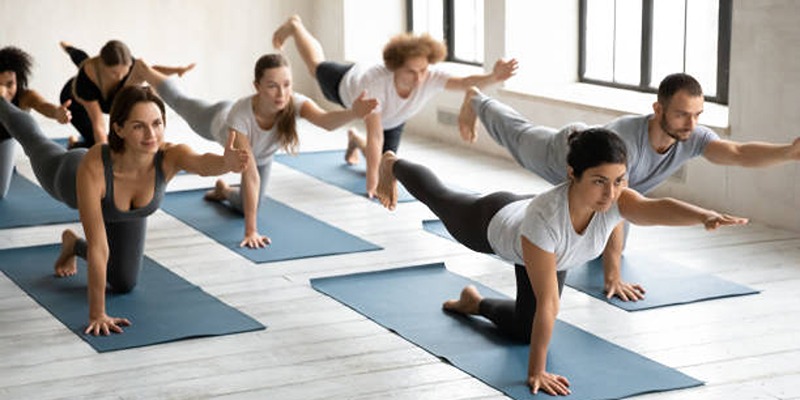
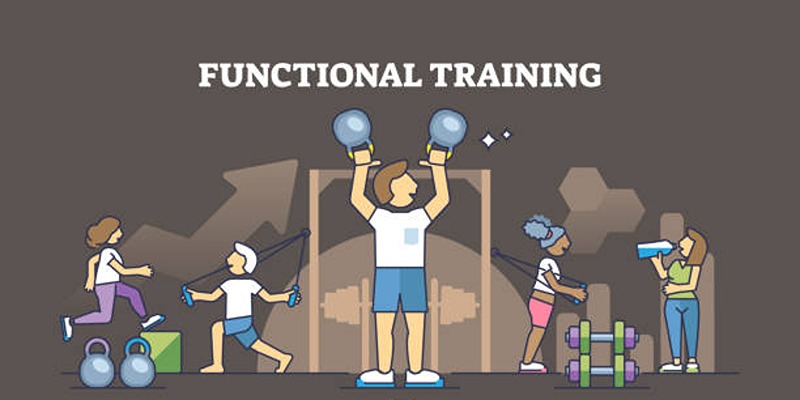
Functional training focuses on enhancing strength, mobility, and balance needed for real-life activities. Whether your clients are athletes, busy professionals, or beginners looking to stay active, creating tailored workout plans ensures optimal results. By understanding individual goals and movement patterns, you can design effective programs that promote functional fitness and long-term health in every client.
What Is Functional Training and Why It Matters
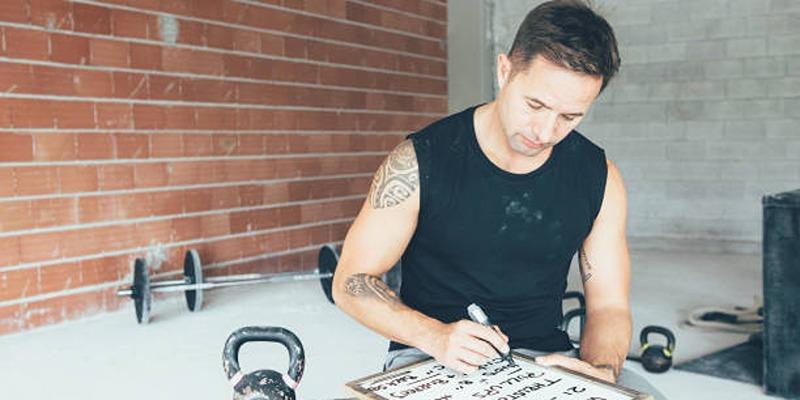 Functional training involves exercises that help people perform daily activities with ease. In contrast to the approach to training when only a single muscle exercises, functional trainings employ joint-multi-muscle movements. These are such things as squatting, pushing, twisting, pulling, as we do in everyday life.
The aim is to create power, gain balance and aid to extend naturally. A functional training keeps injuries at bay, enhances posture, and causes lifting, bending, or stepping up a staircase a little bit simpler.
How to Understand and Assess Your Client's Needs
Before designing a program, the first and most important step is understanding your client. Every person has different needs based on their age, goals, health, and current fitness level. Without proper assessment, you may choose the wrong exercises or progress too quickly.
Performing a Fitness Assessment
Ask your client about their current activity level, any injuries or pain, their past exercise experience, and their personal goals. You can also observe how they move during simple tasks like sitting, standing, or walking.
Use this information to plan a starting point. A good plan is always based on what the person can do today—not what they hope to do in the future.
Key Foundations of a Functional Training Program
Designing a successful program involves focusing on real movement patterns. These are the movements your client uses every day.
Movement Patterns to Include
There are six main types of movement patterns that should be part of every plan:
- Squat – like sitting and standing
- Hinge – like bending at the hips
- Push – like pushing a door
- Pull – like opening a drawer
- Rotate – like turning the torso
- Gait – walking or running
By training these patterns, your client becomes better at everyday life.
Choosing Multi-Joint Exercises
Multi-joint exercises use more than one muscle group. They are more natural and improve coordination. Examples include squats, lunges, rows, and push-ups. These exercises give more benefits than single-muscle movements.
Beginner Clients: Where to Start
Beginners need a gentle and supportive introduction to functional training. They might not have trained before, or they could be returning after a long break.
Goals for Beginners
- Learn correct form
- Use bodyweight or light resistance
- Keep the sessions short and simple
- Focus on good form, not speed or weight
- Practice balance and flexibility
- Build base strength and confidence
- Improve posture and coordination
Training Tips for Beginners
- Start with a proper warm-up to prepare the body and reduce the risk of injury.
- Teach foundational movements like squats, lunges, and push-ups with a focus on technique.
- Introduce bodyweight exercises before progressing to resistance bands or light weights.
- Limit the number of exercises per session to avoid overwhelming the beginner.
- Encourage rest between sets for recovery and to maintain proper form.
- Monitor progress closely and adjust the intensity as the individual improves.
- Keep communication open, providing positive reinforcement and addressing any concerns or discomfort.
Example Exercises:
- Chair squats
- Wall push-ups
- Step-ups with support
- Bird-dog holds
- Resistance band rows
Training Active Adults for Functional Strength
Active adults may already have some fitness experience. Their goal is often to build full-body strength and stay fit for daily life.
Goals for Active Adults
- Increase strength and stability
- Improve endurance and flexibility
- Support long-term joint health
Effective Methods for Active Adults
- Combine strength and cardio
- Use moderate weights and bodyweight exercises
- Mix dynamic movements with mobility drills
Example Exercises:
- Dumbbell squats
- Kettlebell swings
- Walking lunges
- Jump rope
- Core planks
Functional Fitness for Older Adults
Older clients need training that supports mobility and independence. The focus is on safe, low-impact movements that prevent falls and maintain energy.
Goals for Older Adults
- Improve balance and movement control
- Strengthen muscles used in everyday tasks
- Reduce the risk of injuries
Training Guidelines for Seniors
- Use slow and controlled motions
- Add support like chairs or walls
- Focus on posture and light resistance
Example Exercises:
- Sit-to-stand using a chair
- Wall push-ups
- Seated leg lifts
- Resistance band rows
- Stretching for flexibility
Programming for Sporty and Athletic Clients
Athletes want high-performance training. Their programs should match their sport’s movements and demands.
Goals for Athletic Clients
- Increase power, speed, and coordination
- Improve core control
- Reduce the chance of sports injuries
How to Train Athletes Functionally
- Add explosive moves like jumps or sprints
- Use resistance tools like kettlebells or medicine balls
- Focus on single-leg and balance training
Example Exercises:
- Box jumps
- Jump lunges
- Lateral shuffles
- Core twists with resistance
- Single-leg squats
Helping Clients Recover with Functional Exercises
Some clients may be coming back from injury or long rest. These clients need slow and safe movement re-training.
Goals for Recovery Clients
- Restore mobility and joint control
- Rebuild strength without pain
- Avoid re-injury
Programming Safely During Recovery
- Use low-impact, gentle exercises
- Avoid quick or twisting moves
- Listen closely to any signs of discomfort
Example Exercises:
- Glute bridges
- Isometric holds
- Supported squats
- Light resistance band stretches
- Stability ball core work
Basic Structure for Functional Training
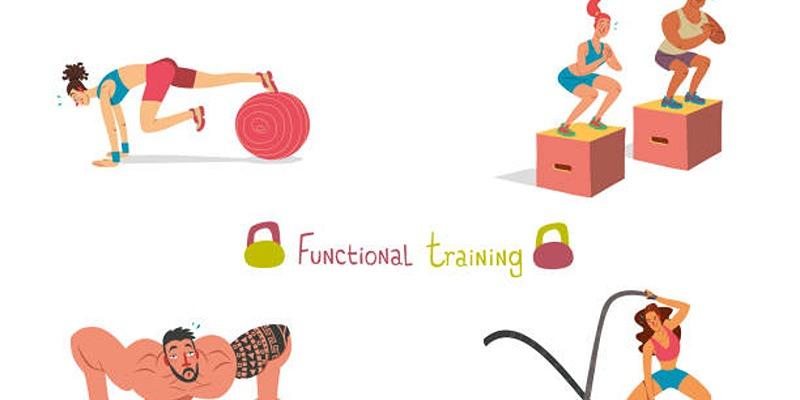 A good plan needs a structure that fits the client’s life. Don’t just list exercises—organise them by day and purpose.
Components of a Weekly Plan
- Warm-up: Start each session with light movements and mobility drills.
- Main exercises: Use 4–6 key functional moves that match the client’s goals.
- Cool-down: End with stretching and breathing exercises to support recovery.
Example Plan for Beginners (3 Days a Week):
Day 1: Full body strength (squats, push-ups, rows)
Day 2: Rest or light walk
Day 3: Core and balance (bird-dog, glute bridges, side leg lifts)
Day 4: Rest
Day 5: Full-body mix (step-ups, light dumbbells, shoulder presses)
Tips for Trainers Creating Custom Plans
When creating custom fitness plans, it’s essential to keep the client’s individual needs, goals, and abilities in mind. Focus on progressive overload, variety, and proper technique to ensure consistent improvement and reduce the risk of injury.
- Keep It Simple and Personalised- Every client is unique. Make sure your program fits their lifestyle, goals, and energy level. Avoid copying plans from the internet. Start where the client is and build up from there.
- Track and Adjust Regularly- Check progress every week. Adjust sets, reps, or intensity based on how the client feels. Celebrate small improvements—it keeps motivation high.
- Focus on Good Technique- Form is more important than how heavy or how fast. Proper movement helps prevent injuries and builds confidence.
Conclusion
Functional training works because it fits life. Whether your client is a beginner, an older adult, or an athlete, a functional program will help them move better, feel stronger, and live more actively. With the right plan, anyone can train for real-life strength—safely and effectively.