Have you ever noticed how clear and refreshed your mind feels after a brisk walk or an intense workout? That’s not a coincidence. Exercise does more than just tone your muscles — it fuels your brain. In recent years, scientists have uncovered how physical activity strengthens brain function, enhances focus, and even reduces feelings of stress.
The Brain-Body Connection
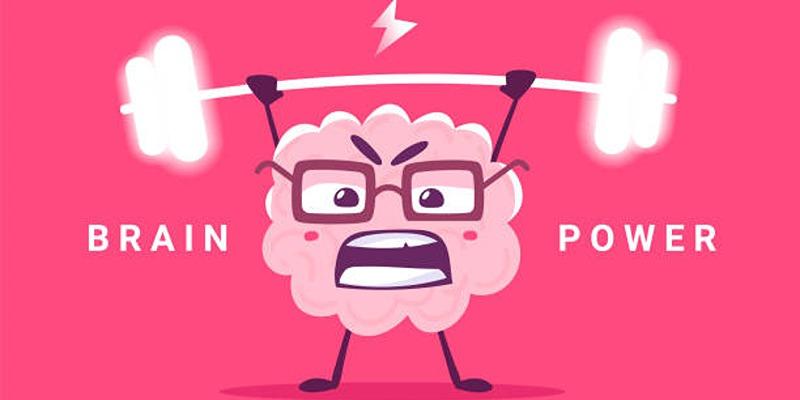 There is a close connection between your brain and body. When you make a movement your brain responds. It transmits messages to your muscles and gets feedbacks. Such active communication facilitates better coordination as well as the reinforcement of sections of the brain associated with memory, emotion, and concentration.
Blood Flow and Oxygen
Whenever you work out, the heart beats faster implying that more blood and oxygen are delivered to your brain. The increased circulation aids the functioning of brain cells and enhances their strength. Make it a choice in knowing that this is like watering a plant so that it may bloom.
Brain-Derived Neurotrophic Factor (BDNF)
Among the most striking discoveries made in neuroscience is the role of BDNF a protein that allows the new brain cells to grow. Exercises boost the level of BDNF with increased levels recorded in the hippocampus which is a part of the brain that is associated with learning and memory.
Mood Lifting Chemicals
After a workout, you often feel happier and more relaxed. That’s because exercise helps release chemicals that improve mood.
Endorphins and Dopamine
Endorphins are natural mood lifters. They reduce the feeling of pain and trigger a sense of pleasure. Dopamine, another brain chemical released during exercise, is responsible for motivation and reward — which is why you feel accomplished after a workout.
Lower Stress Hormones
Regular physical activity helps lower cortisol levels, which is the hormone associated with stress. By keeping cortisol in check, your brain can focus better and feel calmer throughout the day.
Improved Memory and Learning
Staying active does more than keep you fit—it keeps your brain sharp too. Exercise improves blood flow to the brain, helping you think clearer, remember better, and even grow new brain cells.
Exercise and the Hippocampus
The hippocampus plays a key role in forming new memories. Studies show that regular aerobic exercise can increase the size of this brain region. This leads to improved memory, especially as you get older.
Sharper Thinking and Focus
Workouts help you concentrate better. Physical movement enhances executive function, which includes your ability to make decisions, manage time, and focus on tasks. Even a short walk during breaks can recharge your brain’s ability to think clearly.
Exercise and Sleep Quality
Regular exercise not only benefits your body but also plays a significant role in improving sleep quality. Engaging in physical activity helps regulate your sleep patterns, making it easier to fall asleep and stay asleep throughout the night.
Better Sleep, Better Brain
Regular workouts help you fall asleep faster and enjoy deeper sleep. Deep sleep allows your brain to remove waste products, store memories, and recharge for the next day. With better sleep, your brain functions at its best.
Long-Term Brain Protection
As we age, our brain tends to shrink, especially in areas related to memory and planning. But exercise can slow this process.
Reduced Risk of Brain Disorders
Many studies suggest that staying physically active lowers the risk of certain brain conditions related to ageing. While exercise isn't a cure, it supports brain structure and function, giving your brain a better chance to stay sharp for longer.
Building Cognitive Reserve
Think of cognitive reserve like your brain’s emergency savings account. The more you build it through exercise and learning, the better your brain can handle stress, ageing, and everyday mental demands.
Best Exercises for Brain Health
You don’t need to run marathons to enjoy the brain benefits of physical activity. Simple, everyday movements can improve your mental health, cognitive function, and overall well-being.
Aerobic Activities
Walking, cycling, swimming, or dancing can boost your heart rate and send blood to your brain, improving memory, focus, and reducing the risk of cognitive decline. Aim for 30 minutes of moderate aerobic exercise most days. Even a brisk walk or quick dance session can make a difference.
Strength Training
Strength training, like lifting weights or resistance exercises, doesn’t just build muscles—it benefits your brain too. It improves focus, planning, and emotional regulation. Try including strength exercises 2-3 times a week, whether at home or in a gym.
Mindful Movement
Yoga, tai chi, and Pilates combine movement with mindfulness and controlled breathing, reducing stress and improving mood. These practices also enhance balance and flexibility, supporting long-term mental and physical health. Just 15-20 minutes daily can help you feel calmer and more focused..
Tips to Stay Consistent
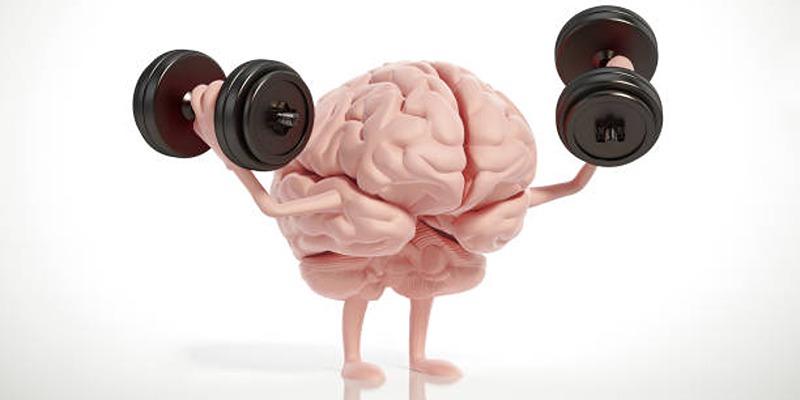 Creating a brain-healthy workout routine doesn’t have to be overwhelming. The key is to start simple and stay consistent over time. Here are some practical tips to help you stick to it:
Start Small
Begin with just 10–15 minutes of movement each day. Starting small makes it easier to build momentum and avoid burnout. Choose activities you genuinely enjoy, like a peaceful walk outdoors, dancing to your favorite playlist at home, or even light stretching. When you love what you’re doing, it doesn’t feel like a chore.
Make It a Habit
Consistency is key to reaping long-term brain benefits from exercise. Pick a specific time each day to work out, whether it’s before breakfast, during your lunch break, or in the evening. Over time, this routine will feel like a natural part of your day rather than something you have to force yourself to do.
Track Your Progress
Keep a journal or use a fitness app to track how you feel before and after each workout. Note any changes in your focus, energy, or mood throughout the day. Over time, you might notice patterns—like better concentration or an improved sense of well-being—which can remind you why staying consistent is worth it.
Conclusion
Exercise is one of the most powerful tools you have to support your brain. It improves memory, boosts mood, sharpens thinking, and even protects your mind as you age. You don’t need intense workouts — just consistent movement. Start small, stay active, and your brain will thank you.