Yoga blocks are simple yet powerful tools that help you deepen your yoga practice. Whether you're a beginner or experienced, blocks offer support, improve alignment, and make challenging poses more accessible. In this article, you'll learn exactly how to use yoga blocks in different poses and why they can benefit your body and confidence on the mat.
Why Use Yoga Blocks?
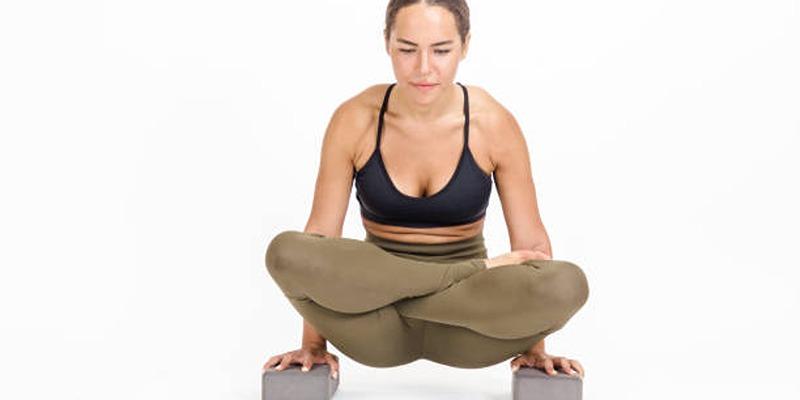 Yoga blocks are universal props that are fluid in nature and help you in your practice by offering some stability and balance. They would assist you to make adjustments to poses, avoid strain, and intensify stretches no matter what level your skill is.
Better Alignment
Considering the use of yoga blocks, you bring the floor nearer the body. This will enable you to sit with the correct posture without necessarily straining. A block gives you the height or length you require to remain aligned as opposed to putting your body in a position that is not right at the time.
Increased Stability
Blocks of yoga provide a stable support. In balance poses or standing stretches a block will provide additional support when you are attempting a pose that might be a bit out of reach without the block.
Deeper Stretching
Blocks can assist you to get into deeper stretches gradually. You will spend more time in a pose without being forced therefore, gradually as time goes by, your body is giving way.
Ideal as a beginner class and any level
One does not have to be advanced to use yoga blocks. They are even used by experienced yogi. They can help you gain strength and flexibility safely, in case you are a novice in it.
Types of Yoga Blocks
Yoga blocks come in various materials, sizes, and densities to suit different needs and preferences. Understanding the types available can help you choose the right block to enhance your practice.
- Foam Blocks- Foam blocks are lightweight and soft. They’re great for beginners or people who want a more gentle experience. They don’t hurt if they slip or fall.
- Cork Blocks- Cork blocks are firmer and heavier. They offer more support for standing poses and advanced stretches. They also feel more stable if you need to place a lot of weight on them.
- Wooden Blocks- Wooden blocks are very solid and last a long time. However, they are heavier and harder, so they might not be ideal for people with sensitive joints.
How to Use Blocks in Common Yoga Poses
Using yoga blocks can enhance your practice by improving alignment, offering support, and increasing flexibility. Here are some tips on how to incorporate blocks into popular yoga poses for beginners and advanced practitioners alike.
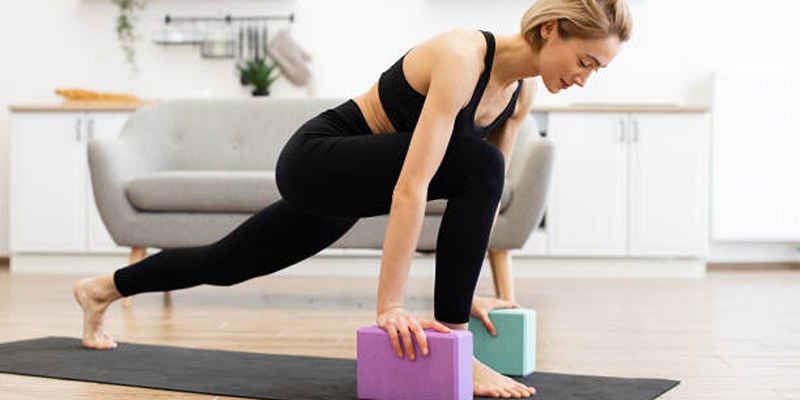
- Standing Forward Fold (Uttanasana)- If you can’t touch the floor in a standing forward fold, place blocks under your hands. Start with the highest height, and as you gain flexibility, use the lower sides.
- Triangle Pose (Trikonasana)- In triangle pose, place a block under your bottom hand. This keeps your chest open and spine long, without collapsing your body forward.
- Seated Forward Fold (Paschimottanasana)- Sit on a block to raise your hips in a seated forward fold. This helps tilt your pelvis forward and allows you to reach further with ease.
- Bridge Pose (Setu Bandhasana)- Place a block under your lower back to support your body in a supported bridge pose. This helps you relax and open your chest without needing to lift all the weight.
- Hero’s Pose (Virasana)- If sitting on the floor is uncomfortable, place a block under your hips. It reduces strain on your knees and ankles while helping you sit tall.
- Pigeon Pose (Eka Pada Rajakapotasana)- Place a block under the hip of your front leg if it doesn’t reach the floor. This creates balance and protects your joints while keeping your body square.
How to Choose the Right Block Height
Yoga blocks usually have three different heights: tall, medium, and flat. Turn the block to get the height you need in each pose. Start high if you’re new, then lower the height as you gain flexibility.
Tall Position
This position is best suited for beginners or for poses where your hands can’t reach the ground at all. It provides the maximum height and support, allowing you to maintain proper alignment and stability as you ease into your practice. Great for building confidence and mastering the basics.
Medium Position
The medium position is perfect when you need moderate support to hold a pose but are able to go deeper than before. It strikes a balance between stability and flexibility, helping you push your limits while still offering some assistance. Ideal for progressing in your practice.
Flat Position
The flat position is used when you need just a small amount of lift or for advanced practice where you’re focusing on refining poses. It provides minimal support, encouraging greater strength and balance while still being there when you need it. Perfect for challenging yourself and enhancing precision..
Tips for Using Yoga Blocks Effectively
Using yoga blocks can enhance your practice by providing stability and support. Whether you’re a beginner or an advanced yogi, these tools can help deepen your stretches and improve alignment.
Listen to Your Body
Only go as far as your body allows—yoga is about connection, not competition. Blocks are there to assist, not to push your body beyond its limits. If you feel pain, strain, or discomfort in a pose, don’t hesitate to adjust by using a higher block or modifying the pose entirely. Listening to your body ensures that your practice remains safe and enjoyable, allowing you to grow at your own pace.
Stay Consistent
Incorporating blocks into your regular practice can help you build both flexibility and strength over time. By using blocks consistently, you’ll notice gradual improvements in your range of motion and alignment. The more often you practice with them, the more natural and intuitive they will feel, becoming a seamless part of your routine.
Cleaning and Caring for Your Yoga Blocks
 Keeping your yoga blocks clean ensures they remain safe and hygienic for regular use. With proper care, your blocks can last longer and maintain their functionality over time.
Foam Blocks
To keep your foam blocks clean, gently wipe them with a damp cloth and a small amount of mild soap. Pay special attention to any spots or stains. After cleaning, allow the blocks to air dry completely in a well-ventilated area before using them again to prevent any moisture buildup.
Cork Blocks
For cork blocks, a quick wipe with a damp cloth is usually enough to remove dirt and sweat. Be careful not to soak them in water, as cork is a porous material and excess moisture can weaken or damage it over time. Let the blocks air dry thoroughly before storing them.
Wooden Blocks
Wooden blocks require a little extra care to maintain their durability. Use a dry or slightly damp cloth to clean off dust and dirt, making sure not to let water sit on the surface as it can cause warping. Avoid using harsh chemicals as they can damage the wood's finish. Also, keep wooden blocks in a dry environment and avoid leaving them in humid or damp areas to prevent swelling or cracking.
Final Thoughts
Yoga blocks are more than just beginner props. They are tools that help every yogi improve their practice. Whether you want better alignment, deeper stretches, or added support, yoga blocks can assist you every step of the way. Start adding them into your daily routine, and you’ll see how much they improve your flexibility, strength, and confidence on the mat.