Reading food labels is confusing, with misleading marketing terms kept on the packaging. In this guide, we will make you wise enough to differentiate between true facts and false claims on labels. We'll dissect usual food label jargon, disprove myths, and make you confident to make the right decision for healthier eating.
The Importance of Understanding Food Labels
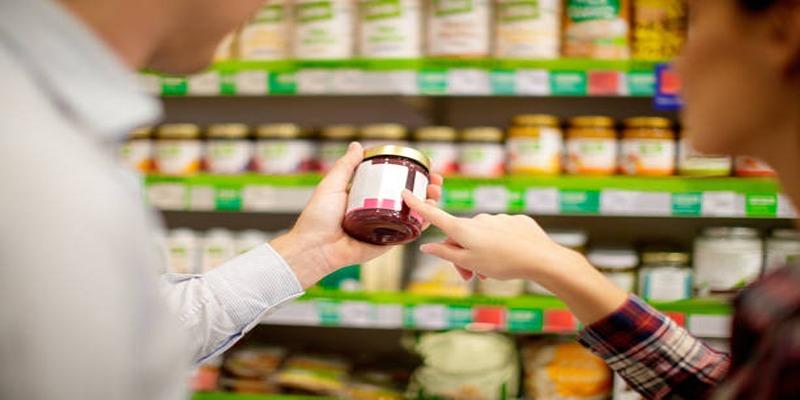
Food packaging assists you in making healthier choices by providing nutrition content and ingredients. Food packaging can assist you with managing dietary requirements, steering clear of damaging additives, and identifying allergens. Label reading enables you to look beyond promotion and concentrate on what is most important—what's in your food.
Misconceptions Driven by Marketing
Many food labels use terms like "all-natural" or "low-fat" to attract health-conscious buyers, but these can be misleading. For example, "low-fat" may mean more added sugars, and "all-natural" doesn’t guarantee no preservatives. Always check ingredient lists and nutrition facts to make informed choices.
Breaking Down the Key Components of Food Labels
Reading and comprehending food labels is crucial to making healthier food choices. By dissecting the essential components, you will know what is actually good for you and sidestep unnecessary additives. The following is a step-by-step guide to help you interpret food labels accurately.
Serving Size and Servings Per Container
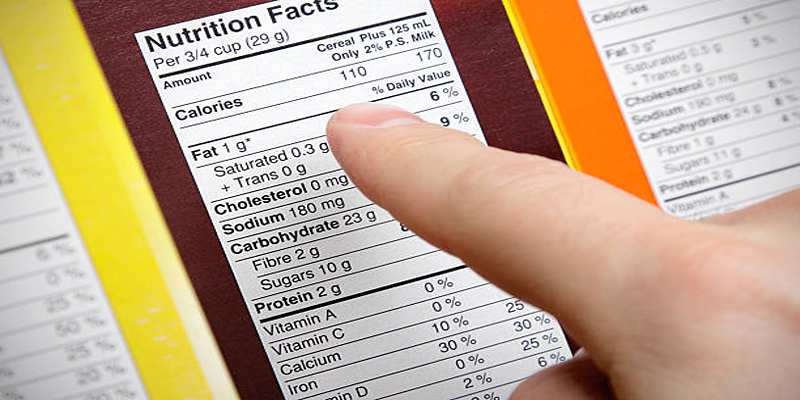
The serving size is the basis of food labeling information. It informs you of the suggested portion for one serving, whereas the servings per container tells you how many servings the whole package holds. Knowing this allows you to estimate the actual calorie and nutrient consumption in case you eat more than a single serving.
2.Calories
Calories represent the energy you obtain from a specific serving. Make note of whether the calorie value meets your dietary requirements. Foods that are high-calorie are not necessarily unhealthy, but make sure to check if the calories are derived from nutrient-rich ingredients or sugar and fat additions that contribute minimal nutrition.
3. Macronutrients – Fats, Carbohydrates, and Proteins
Review the breakdown of macronutrients on the label. Fats include both healthy ones, like unsaturated fats, and less desirable ones, such as trans fats. Carbohydrates detail fiber and sugar contents, while protein supports muscle maintenance. Aim for a balanced intake based on your health goals and activities.
4. Vitamins and Minerals
Check for essential vitamins and minerals, such as Vitamin D, calcium, iron, and potassium. These nutrients play crucial roles in overall health, from supporting bone strength to aiding in oxygen transportation in the bloodstream. Labels can help you ensure you’re meeting daily recommended values for these nutrients.
Decoding Common Marketing Phrases
Marketing phrases on food packaging can often be misleading or confusing. Understanding these terms can help you make smarter, healthier choices. Below are explanations of commonly used phrases to look out for:
1."Natural"
The term “natural” might sound appealing, but it is often vague. It typically means the product doesn’t contain artificial flavors, colors, or synthetic substances. However, it doesn’t guarantee the product is organic or minimally processed. Always check the ingredient list to ensure it aligns with your health standards. Remember, “natural” does not mean it is free of preservatives or added sugars.
2."Organic"
Products labeled “organic” follow strict standards set by regulatory agencies. These foods are grown without synthetic pesticides, fertilizers, or genetically modified organisms (GMOs). For animal products, organic often indicates that the animals were raised without antibiotics or added hormones. Look for certified organic seals to ensure the product meets these guidelines. Organic doesn’t necessarily mean low-calorie or low-fat—nutritional content should still be examined.
3."Low-Fat" or "Lite"
“Low-fat” products have reduced fat content compared to regular versions, but that doesn’t always make them healthier. These items often contain added sugar or other ingredients to improve flavor. Be cautious and read the label for hidden calories or unhealthy additives. It’s important to assess the full nutritional profile, not just focus on fat content, to ensure it fits into your dietary requirements.
4."Sugar-Free"
“Sugar-free” means the product contains less than 0.5 grams of sugar per serving. Instead of sugar, these items frequently include artificial sweeteners like aspartame or sugar alcohols, which may affect digestion for some people. Check the ingredient list to understand what replaces sugar and evaluate whether it aligns with your dietary goals. Remember, “sugar-free” doesn’t mean carbohydrate-free or calorie-free.
5."Gluten-Free"
“Gluten-free” products do not contain gluten, a protein found in wheat, barley, and rye. This label is especially beneficial for those with celiac disease or gluten sensitivities. However, gluten-free does not automatically mean healthier—these products can sometimes be low in fiber or high in sugar. Always assess the overall nutritional value to ensure it supports a balanced and nutritious diet.
Nutrition Label Red Flags
When analyzing nutrition labels, it’s essential to identify potential red flags that could indicate unhealthy or misleading components in a product. While labels aim to inform, they can often confuse or mislead consumers. Below are key areas to watch out for while assessing nutrition labels:
1.High Sugar Content
Sugar can appear under many names on a label, such as syrup, sucrose, or fructose. Always check the total sugar content, as excessive intake can contribute to weight gain, energy crashes, and chronic conditions such as diabetes. Opt for products with lower sugar content or natural sweeteners to maintain balanced sugar levels in your diet.
2.Excessive Sodium Levels
Processed and packaged foods often contain high amounts of sodium as a preservative or flavor enhancer. Consuming too much sodium can lead to high blood pressure, heart disease, or kidney problems. Look for products labeled “low sodium” or aim for those with sodium content under 140 mg per serving to reduce these risks.
3.Trans and Saturated Fats
Trans fats and excessive saturated fats can significantly increase bad cholesterol levels, raising the risk of heart disease. These fats often hide in fried foods, baked goods, and processed snacks. Check the label for “0g trans fats” but also examine the ingredients for terms like “partially hydrogenated oils,” a hidden source of trans fats.
4.Overuse of Additives and Preservatives
Ingredients like artificial colors, flavors, and chemical preservatives can contribute to long-term health risks. These are often found in snacks, candies, and pre-made meals. Seek out products with fewer artificial ingredients and prioritize options that use natural methods like freezing or vacuum-sealing for preservation.
How to Make Healthier Choices?

To make healthier choices, focus on consuming whole, unprocessed foods and being mindful of portion sizes. Understanding labels and ingredients can assist in making informed decisions. Here are some practical tips for healthier eating:
- Choose fresh fruits and vegetables instead of processed snacks.
- Opt for whole grains like brown rice or quinoa over refined grains.
- Prioritize lean protein sources such as fish, poultry, or legumes.
- Limit added sugars and salt in your daily diet.
- Stay hydrated by drinking plenty of water throughout the day.
Conclusion
Decoding food labels is essential for making informed and healthier dietary choices. By understanding the difference between factual information and marketing buzzwords, you can avoid falling for misleading claims. Remember to focus on key details like ingredient lists and nutritional information rather than flashy packaging.