Your mindset impacts more than emotions—it affects your physical health too. From energy and immunity to sleep and stress management, your thoughts play a key role. By shifting your thinking in a positive direction, you can boost your overall well-being and improve how your body handles challenges. Your mind and body are deeply connected.
What Is Mindset?
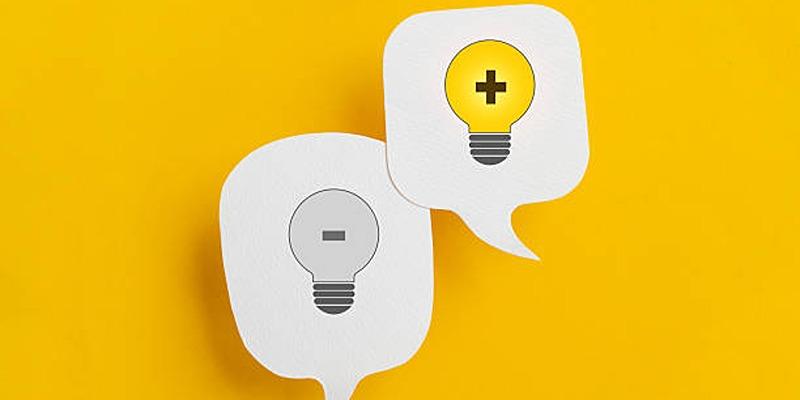 Mindset is the array of thoughts that you believe and feel concerning yourself and the world. It determines your level of reacting to difficulties, formulating your goals, and body maintenance. Usually, there are two types of mentality:
Fixed vs Growth Mindset
- Fixed Mindset: You feel that none of your abilities, intelligence or health can be changed.
- Growth Mindset: Your opinion is that you can grow, change and develop in the course of time.
A growth mindset makes you be able to change, accept and make better choices in life when the first one fails. Individuals who have fixed mindset could become stagnant, to shun challenges, or surrender quickly whenever addressing fitness or stress management.
How Thoughts Affect Your Body
A continuous communication of your brain and body occurs. Physical changes can be initiated by the way that you think. It is particularly so in case of stress, sleeping, digestion, and heart wellness.
Stress and the Mind-Body Response
One you have a lot of negative thoughts about yourself or the future or anything that makes you worry, stress hormones such as cortisol are emitted by your body in response. A long-term use of large doses of these hormones may:
- Increase your blood pressure
- Decrease your immunity
- Disturb your sleeping hours
- Increase inflammation
Such effects increase your risk to diseases and chronic illnesses. Contrastingly, such negative effects can be mitigated by relaxed, positive thinking.
The Role of Positive Thinking
Facing problems head-on with a hopeful mindset can make a big difference. It’s not about avoiding challenges but tackling them with confidence and proactive solutions. Those with an optimistic outlook often:
- Recover faster from illness
- Cope better with pain
- Maintain better relationships
- Stick to exercise or healthy eating habits
That’s because they believe change is possible, and they trust their ability to handle tough times.
How Mindset Affects Your Daily Habits
Your habits are shaped by your thoughts. If you constantly think “I’m too tired” or “I can’t do this,” you’re less likely to take care of your health. A better mindset leads to better choices.
Eating Well
When you believe you’re worthy of good health, you’re more likely to prepare meals, stay hydrated, and eat mindfully. If you think “What I eat doesn’t matter,” you're more likely to choose less nourishing foods.
Staying Active
People who think exercise is a punishment are less likely to move daily. But if you see it as a gift to your body, you’re more likely to enjoy walking, stretching, or dancing. Your mindset decides whether movement feels like a burden or a benefit.
Sleep and Rest
A calm mind helps you fall asleep faster and rest better. Constant negative thinking can lead to overthinking and disrupted sleep. Learning to shift your thoughts helps improve your sleep patterns naturally.
Techniques to Improve Your Mindset
 Changing your mindset takes practice, but it’s worth it. Here are some simple techniques you can try every day:
Practice Gratitude
Every day, take a moment to write down three things you’re thankful for, no matter how small. It could be a beautiful sunrise, a kind word from a friend, or simply a good cup of coffee. Gratitude shifts your brain’s focus from dwelling on problems to appreciating what’s going well. Over time, this practice helps reframe your mindset, making you more resilient and positive.
Replace Negative Self-Talk
When you catch yourself thinking “I can’t,” stop and challenge that thought. Replace it with “I’ll try” or “What if I could?” It’s not about forcing fake positivity but opening the door to possibilities. For example, instead of saying, “I’ll never get this right,” try, “I’m learning, and I’ll improve with practice.” This small but intentional shift can make a big difference over time.
Use Positive Visualization
Take a few minutes each day to vividly imagine yourself calm, strong, and healthy. Picture yourself succeeding at your goals or handling challenges with confidence. This isn’t just a feel-good exercise—it trains your brain to identify opportunities and solutions that align with your vision.
Surround Yourself With Supportive People
Your environment shapes your mindset more than you realize. Surround yourself with individuals who challenge you to grow and push you toward your goals. It's not just about support—it’s about being around people who inspire action and ambition. Choose wisely, because the right company can transform your journey..
Deep Breathing and Mindfulness
Mindfulness and deep breathing are powerful tools to help you stay grounded. When you notice your mind racing with worries or negativity, take a moment to pause and focus on your breath. Inhale deeply for a count of four, hold for four, and exhale for four. This simple practice reduces stress, improves your mood, and brings clarity, allowing you to observe your thoughts without being overwhelmed by them.
When to Seek Help
Changing your mindset is powerful, but sometimes outside help is needed. If you feel stuck in negative thinking for long periods, consider talking to a mental health professional. Just like you’d see a doctor for a physical injury, caring for your mental habits is part of staying healthy.
Mindset in Everyday Life
You don’t have to make huge changes overnight. Even small shifts in thinking can lead to better health over time. Here are a few examples:
- Instead of “I failed,” try “I learned something.”
- Instead of “This is too hard,” try “This will take effort, but I can handle it.”
- Instead of “I’ll never change,” try “Change takes time, and I’m getting there.”
These small shifts can build confidence, reduce stress, and support your health goals.
Conclusion
Your mindset is like the lens through which you see your life. When that lens is focused on hope, growth, and self-respect, your body responds with balance and energy. Positive thinking is not a magic cure, but it’s a powerful tool in your wellness journey. Your thoughts shape your actions. Your actions shape your health. And your mindset can be the bridge between where you are and where you want to be.